
 Horst
Systems
Horst
Systems
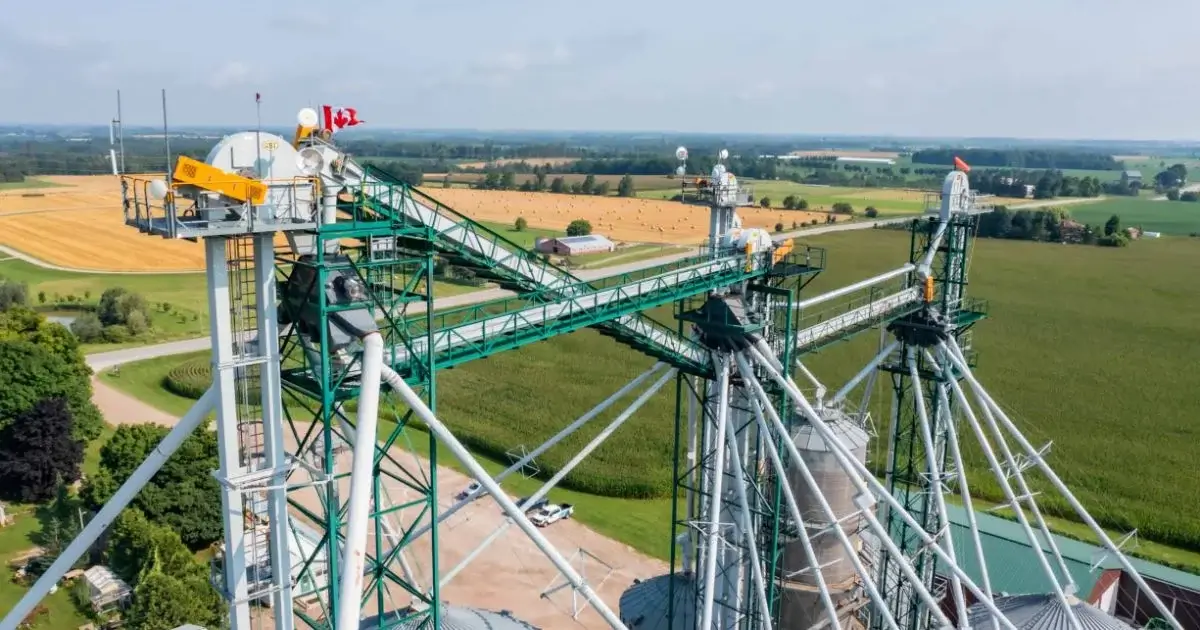
You're standing on a concrete pad in early November, and the temperature's dropping fast. The millwright crew's aligning a bucket elevator leg that needs to be plumb within a quarter inch over 100 feet of height. One person's working the laser. Another's adjusting leveling bolts at the base plate. The lead hand's calling corrections, and everyone knows the leg needs to be leveled true because you can't come back and fix this later.
That's what working in grain system construction in Ontario looks like. The work has a rhythm, but it's not repetitive. Every site is different. Every system is custom-built for the operation it serves, and the decisions you make during installation determine whether it runs reliably for the next 20 years or becomes a maintenance problem.
The Work Moves Across Ontario
Grain system careers in Ontario don't keep you in one location. You're travelling to sites across the province because that's where the work is. Elmira one week. Winchester the next. Perth County when a commercial operation's expanding capacity. The projects move, and the crews move with them.
Some people want that. The variety keeps the work interesting, and you're not looking at the same four walls every day. You see different parts of Ontario agriculture, work with different site conditions, and solve problems that don't have template answers because every build is custom.
It's not a fit for everyone. If you need to be home every night, this isn't the job. But for people who like the idea of working different sites and learning how systems go together in different configurations, the travel is part of what makes it work.
Physical Work in All Weather
Grain system construction happens outside. You're working in heat during summer installations, with the sun reflecting hot off the galvanized bin sheets. During late season builds, the cold wind is piercing when you're 150 feet up on the tower. There's no climate-controlled environment, and the work doesn't stop because it's uncomfortable.
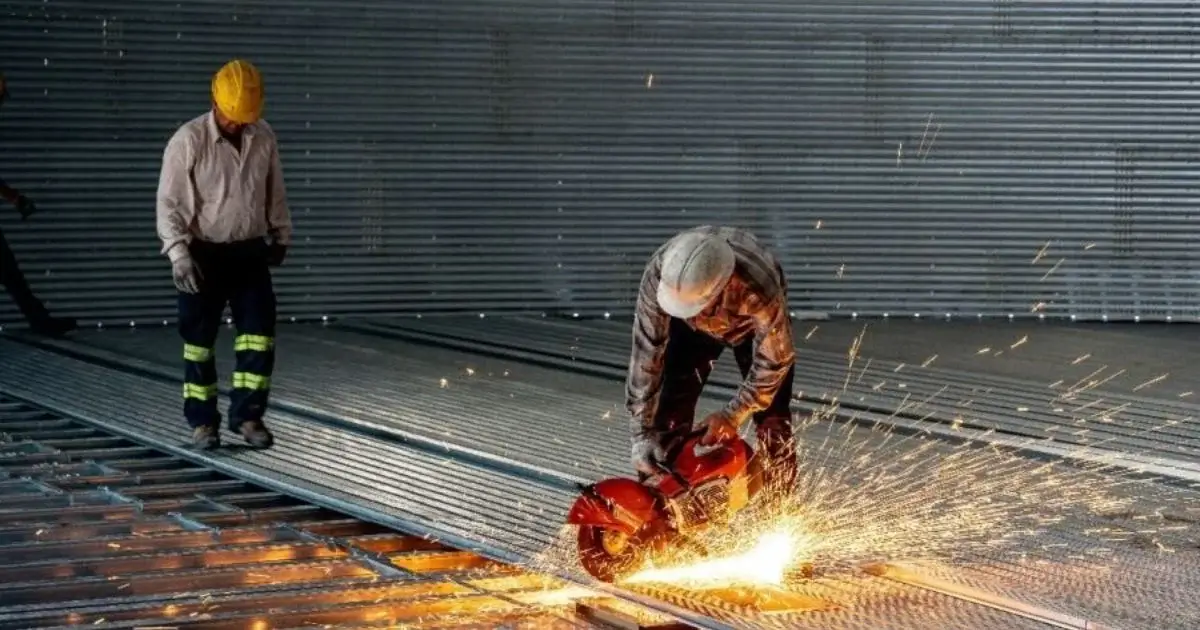
Grain system construction demands physical work. You're lifting heavy components, climbing bins and towers, working at heights, and putting in long days during peak construction seasons. Your body feels it at the end of the day, and if you're not used to physical work, it takes time to adjust.
But there's something about building infrastructure that you can point to years later and say you were part of putting that together. The grain system you're installing today protects a farmer's harvest for decades. That connection to something tangible matters to a lot of people who choose this work.
Millwright Work Requires Precision
Millwright work on grain systems means working with equipment where alignment tolerances are tight and mistakes compound. A bucket elevator leg that's off by half an inch at the base plate can create bearing wear that shows up six months into operation. A conveyor that's not properly aligned will bind under load. The work requires precision, and you're using tools and techniques that demand attention to detail.
You're reading technical drawings, working with laser levels, setting anchor bolts to exact specifications, and aligning rotating equipment that needs to run smoothly under full load. The learning curve is steep if you're new to the trade, but the millwrights who've been doing this for years can look at a job and know what needs to happen before problems develop.
Industrial Mechanic (Millwright) certification is Red Seal — recognized across Canada. The skills you develop installing grain handling equipment transfer to other industrial sectors, but the precision work required for agricultural systems gives you experience with tolerances that matter under operational load.
Electrical Work Combines Field Installation and Controls
Electrical work in agriculture isn't just pulling wire. You're installing motor controls, programming PLCs that manage grain drying sequences, wiring automation systems, and commissioning control panels that need to function reliably in dust, temperature swings, and conditions that would shut down a lot of industrial equipment.
The work combines field installation with technical knowledge of control systems. You're running conduit through concrete foundations, mounting components in panels, connecting VFDs that control motor speeds, and troubleshooting systems that integrate mechanical and electrical components. When something doesn't work right during commissioning, you're the one figuring out why.
For electricians who want to work on systems more complex than residential wiring, grain handling offers that. The scale is larger, the systems are more sophisticated, and the technical challenges keep you learning. You're not doing the same three-wire hookup repeatedly. Every system has different requirements, and the controls side of modern grain handling continues to get more advanced.
Electrical jobs in agriculture combine field installation and industrial automation, and that combination is what makes the work different.
Labourers Learn the Trade While Contributing to Real Projects
Starting as a labourer at Horst doesn't mean standing around holding a flashlight. You're part of the crew from day one, not watching from the sidelines. You're moving materials, prepping jobsites, assisting with installations, and learning how systems go together while contributing work that matters to the project timeline.
The best crew leaders teach while they work because they remember what it was like starting out, and they know the operation needs people who can handle more responsibility as they develop skills. You're not going to be running complex installations right away, but you're watching them happen, asking questions, and gradually taking on tasks that require more technical knowledge.
For people considering construction work in Ontario agriculture, the labourer-to-tradesperson path is a real and viable option. Some people come in with no background in trades and work their way into millwright or electrical apprenticeships. Our pre-apprentice training program supports that progression. It takes time, and it requires showing up consistently and taking the work seriously, but it's a path that's been proven on crews across the province.
The Crews You Work with Matter
You're spending long days with the same people, working in conditions that can be difficult, and depending on each other to get things done safely and correctly. The crew dynamic matters, and the operations that function well are the ones where people can communicate directly, solve problems together, and trust that everyone's focused on doing quality work.
The OFA's safety standards for agricultural workplaces set the baseline — fall protection above six feet, confined space protocols, lockout/tagout for energized equipment. Horst crews are built around people who take those standards seriously, take pride in what they're building, and respect the craft.
The lead hands aren't just managing tasks; they're passing on knowledge because they can't help but teach what they know. That mentorship culture is part of what makes the work environment different from job sites where you're just a number on a schedule.
Standards and Safety Are Part of the Work
Working on grain systems means following standards that protect both the people installing the equipment and the people who'll operate it for decades. Equipment manufacturers follow CSA and ISO standards for agricultural equipment design, and installation crews follow those same standards during builds.
You're working with heavy equipment, at heights, in confined spaces, and around moving machinery. Safety protocols aren't suggestions. They're the baseline for how the work gets done, and crews that take shortcuts don't last long. The operations that function well are the ones where everyone understands that getting home safe matters more than shaving an hour off a timeline.
Grain System Work Connects to Food Production
Every system installed protects a farmer's harvest. The bucket elevator you're aligning moves grain that feeds people. The dryer you're commissioning determines whether a producer can sell at grade or take a dockage hit that affects their bottom line. The electrical systems you're wiring give farmers the data they need to make decisions about when to move grain to market.
The work has weight because it connects directly to food production, farm viability, and rural communities across Ontario. For people who want their skills applied to something that matters beyond profit margins, grain system construction offers that connection. You can read more about what it's like building systems that protect Ontario agriculture.
It's not for everyone, and we're clear about that. The work is physically demanding, the weather doesn't care about your comfort, and you're expected to show up ready to work regardless of conditions. But for skilled trades who want variety, technical challenge, and projects where quality matters to the people depending on the system, this is where that work exists.
What We're Looking For
We hire people who are accountable, work well with a crew, and take the job seriously. Previous experience with grain systems isn't required. What matters is whether you can learn, whether you show up when you're supposed to, and whether you're focused on doing the work right.
We're hiring millwrights, electricians, and labourers now for our Elmira and Winchester locations. The work is steady, the pay is competitive, and the projects you'll work on protect Ontario agriculture. If that sounds like something you want to be part of, reach out to discuss opportunities.