
 Horst
Systems
Horst
Systems
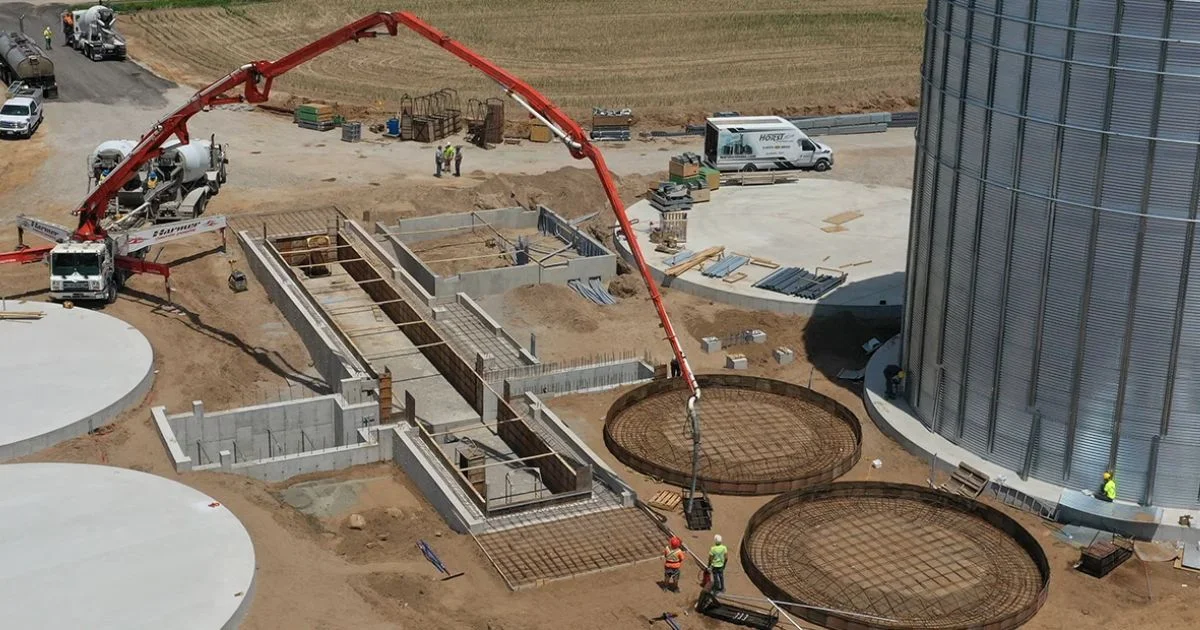
Imagine this for a moment: you have been working on a sprawling grain bin project, and it’s finally complete. You’re standing by your team, feeling a deep sense of satisfaction knowing you’ve not only completed a job well done, but also helped a farmer innovate their harvesting systems.
In that quiet pride, being able to point to a massive grain bin and say: “Yeah, I built that.”
This concept, although not new in agriculture and construction, is not as common in modern-day jobs. That isn’t to say these jobs don’t have their triumphs, but there’s a unique experience that comes with working with your hands and creating comprehensive machines.
Indoor, office-type work can be repetitive, even if it is stable. However, working on grain bins allows you to build something tangible across Ontario.
Horst Systems is recognized as an industry leader, known for having years of expertise and leadership throughout Ontario. This intrinsic pride is a key part of the company's culture, allowing aspiring labourers to experience what it truly feels like to say, "I built that."
Why Young Tradespeople Are Rethinking Traditional Factory Work
The reality of working factory jobs or other careers that rely on fixed-location work is that you may begin to feel that things are getting repetitive. The same walls, same shift, same routine.
According to a 2025 survey, 85 percent of employees said repetitive tasks were a major driver of burnout, triggering more than 200 stress events per person each year. This changes how we think about burnout. It is not always about working more hours. It is often about doing the same work the same way, repeatedly.
Today, young tradespeople are craving variety: the ability to learn new, transferable skills and to work on projects they can physically interact with. If this describes you, then grain bin construction is an amazing career path that offers all of that and more.
Let’s explore some of the perks that come with getting into grain bin construction:
- Work outdoors across different locations in Ontario, not the same building every day.
- See the direct impact of your work on farmers and the food supply.
- Break free from repetitive, factory-style tasks.
- Learn hands-on skills that stay in demand.
- Gain experience with modern grain handling and automation systems.
- Be part of a tight-knit crew where teamwork and safety matter.
- Celebrate completed projects together as a team.
- Develop skills that open doors to long-term career growth.
- Do meaningful work that supports local communities and agriculture.
Working Outdoors Across Ontario: No Two Days Are the Same
Some of the great qualities that come with working in the field of grain bin construction are an increased sense of freedom while still adhering to schedules and regulations, and the opportunity for young tradespeople to explore Ontario and develop their skills in the field. This flexibility has strong lifestyle appeal, enabling a more free-flowing, hands-on approach.
Traveling across Ontario’s beautiful landscape is also an amazing opportunity, allowing the chance to explore different agricultural communities.
According to data from the 2021 Census, Ontario is home to approximately 48,346 farms, outperforming every other province in the country in just raw numbers alone. This is most visible in Southern Ontario, where agriculture serves as the primary engine for local economies. The Ontario Federation of Agriculture (OFA) alone advocates for over 38,000 family farms, highlighting a sector that is as much about community heritage as it is about economic output.
There’s also the opportunity to experience a variety of landscapes, seasons, and even project types, while adapting the build to suit each client's needs.
The Benefits of Physical Work
There are plenty of physical and mental health benefits to having a physical job; physical activity has been proven to boost heart health, maintain weight, strengthen bones/muscles, and improve sleep significantly. This, all together, reduces the risks of chronic diseases like diabetes, cancer, and heart problems. In terms of mental health, physical activity lowers stress, anxiety, and depression, enhances mood, and helps to sharpen brain function, and has even been shown to build confidence. This makes it easier to complete daily tasks and increase energy output.
Building Structures That Matter to the People Who Feed Us
Grain bin storage, in simple terms, keeps grain in peak condition, ensuring that the process from the field to the bin is safe and automated. It begins at the receiving pit, where the crop is lifted by elevators and moved through augers into a system designed to stabilize it. Because excess moisture can lead to spoilage, the grain is heated and aerated to dry it before cooling.
Once tucked away in storage bins, high-tech sensors and fans work together to monitor and manage temperature and air quality, ensuring every bushel stays safe and high-quality for sale or feed.
This not only ensures that harvests are not only seamless and more successful, but it also protects farm livelihoods. By proxy, young labourers can directly impact food supply chains and bolster rural economies.
Again, if that sounds like you and you want to feel like your work is truly helping Canadian farmers, consider getting into grain bin construction. You are bulding infrastructure with true purpose.
From Steel and Bolts to Smart Systems: Where Modern Trades Are Headed
The grain systems of today are more than steel structures meant to provide storage. While they’re strong and reliable, they also feature elements such as conveyors and additional components that support the backbone of the build. Modern grain handling now uses intelligent technology that not only stores but also protects crops, improves efficiency, and reduces the risk of farmer injury from manual equipment management.
Modern systems can monitor grain conditions in real time, automate movement, and assist farmers faster than ever. This enables them to make more informed decisions. When viewed through the eyes of young tradespeople, this means the work they do is more than just building/assembling; rather, they’re given a unique opportunity to create an innovative system that will lead agriculture into the future.
The role of automation in grain management technology remains essential in the agricultural landscape, enabling farmers to maintain maximum control without being physically involved at every step. Suppliers such as OPI Systems seamlessly integrate sensors, controls, and software that can track grain temperature, moisture levels, and grain bin conditions.
Implementing these tools can reduce spoilage risk, reduce the need for manual checks, and even improve the overall safety of the farm’s operations. Horst Systems provides everything required to build the most comprehensive grain bin, utilizing elements from trusted brands to ensure you have the best product possible. Doing so ensures that grain systems remain up to date and blend into the modern age.
By working with automated systems, labourers today develop skills that can translate well into the future, especially as technology evolves. Horst Systems ensures that all work is built into the balance of the projects.
The Team Behind the Build: Why Culture Matters on the Job Site
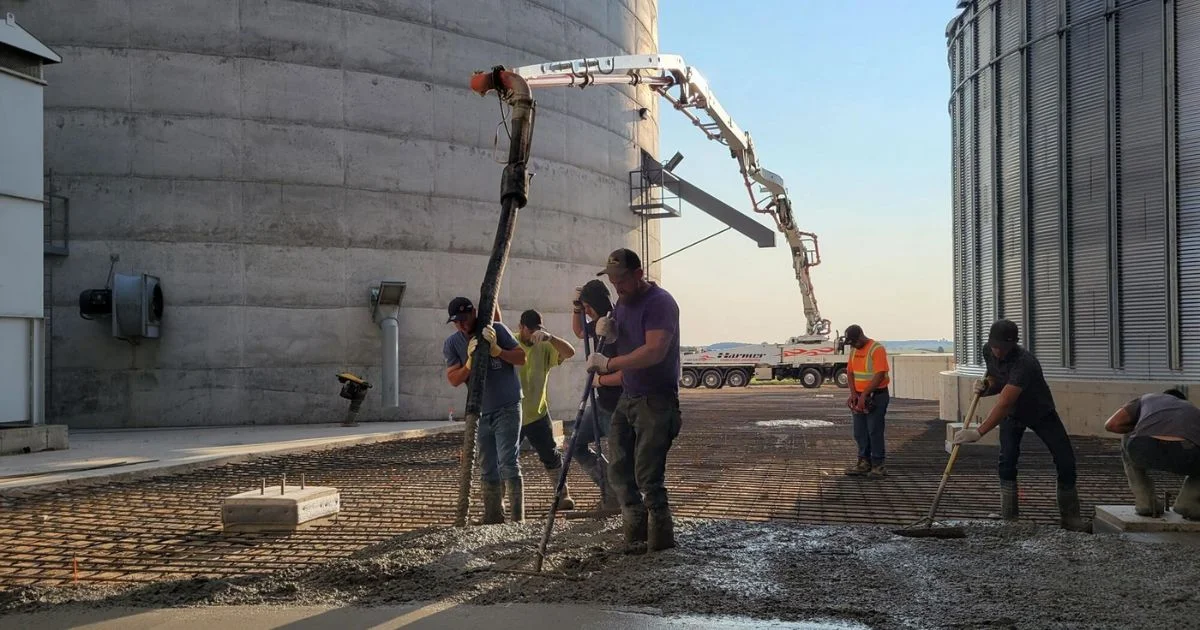
Even the best technology requires ambitious labourers to succeed. Regardless of how far advancement goes, there will always be a need for young Ontario labourers to make the magic happen. Plain and simple: grain bin construction is team-driven by necessity, meaning that there will always be a need for new talent in the industry.
The machine handles the bottom line, and in-person labourers create the framework to ensure seamless processes and provide any necessary fixes and adjustments. The human element of creating the most high-functioning grain bin systems isn’t going anywhere, even as the tech evolves; this means young labourers have a secure future within the industry, no longer having to rely on more traditional forms of work to put food on the table.
Outside of Formalities: Taking Pride in the Job
One of the most essential perks of working in the field is celebrating milestones together once a project is complete. The entire team has the chance to look at what was created and say: "I built that." This is a serious cause for celebration, both for a job well done and for appreciating new skills learned. Many young labourers gain the opportunity to learn from industry mentors, further enhancing their skills well into the future – especially as technology continues to evolve.
Horst Grain Systems: A Pillar of Industry Excellence
Horst Systems was created to make a meaningful difference in the grain handling industry. What began as a small welding shop eventually grew into Horst Systems, based in Elmira, with a clear focus on developing practical, reliable solutions to real-world grain handling challenges.
If you’re looking for meaningful work or simply want to better understand Horst Systems as a business, see our Contact Us and About Us pages.