
 Horst
Systems
Horst
Systems
Most people don't find grain systems by accident. They find it when they realize they want work that demands their best. The variety, the scale of the builds, the fact that the same person pouring concrete in April is commissioning a PLC control system in October: it's not a job that stays the same.
If you're weighing a move into grain system careers in Ontario, the question isn't whether the work exists. It's whether the work is worth doing. The answer depends on what you're looking for: steady pay, work that scales your skillset, and crew leaders who know what they're doing.
The Entry Point Depends on Where You're Starting From
Systems technicians-in-training, apprentices, and experienced tradespeople all come in through different doors. Technicians-in-training typically start with site prep, materials handling, and crew support: the foundation work that teaches how a grain system goes together before the more technical layers come in. It's demanding, but people who move up consistently say that period is where they learned to read a site.
Apprentices come in with more structure. Millwright and electrical pre-apprentices work directly with journeypersons on live installations, setting anchor bolts, running conduit, wiring control panels. Those hours count toward certification from day one. Learning to commission a PLC at Horst builds automation specialization in a recession-proof industry.
The earn-while-you-learn model means the credential builds alongside the paycheque. For someone coming from a program that promised the same and didn't deliver, that's worth verifying before committing.
Experienced tradespeople from manufacturing, oil and gas, or industrial construction often find the technical environment familiar. The equipment is industrial grade. The tolerances are real. PLC systems and variable-frequency drives are the brains of the operation and installing them requires precision. A misrouted signal or a VFD configured wrong can shut down an entire drying cycle.
What Journeyperson Work Actually Looks Like
Once certified, the work gets more varied, not less. For anyone exploring millwright jobs in grain systems, the work doesn't look the same week to week in Ontario. One week, you're aligning bucket elevators on a new commercial build; the next, you're troubleshooting a dryer mechanical on a farm that's been running the same system for 15 years.
The problems are different every time. That's either appealing or it isn't, but it's not assembly-line work. Electrical jobs in agriculture have become more technical as the systems have advanced. Understanding the logic of a control system (how a PLC sequences a drying cycle, how a VFD manages motor speed under load) is what makes automation work specialized.
Journeypersons wire and commission control systems that manage dryer temperatures and automated bin-filling sequences. Reading schematics, understanding how components interact, programming PLC logic: it compounds over time in a way that straightforward wiring work doesn't. The travel piece is real and worth saying plainly.
Projects run across Ontario, which means time away from home during busy seasons. For some people, that's a drawback. For others, the variety keeps the work from getting stale. One week you're near Listowel commissioning a dryer before corn comes off. The next, you're outside St. Marys racing a concrete pour before the ground freezes.
The Transition to Crew Leadership
Crew leader roles at Horst Systems are filled by people who have come up through the trades, not by outsiders. That's a practical decision as much as a cultural one. A crew leader who's spent years installing and commissioning grain systems carries institutional knowledge that doesn't transfer through onboarding.
They know what a misaligned elevator sounds like at startup. They know which site conditions in a February thaw create problems that won't show up until March.
At Horst, the best crew leaders are the ones who can't help but pass on what they know. They're mentors by trade, not just by title. They take teaching seriously, explaining why something's done a certain way, not just what needs to be done. That matters to the people coming up behind them and to the quality of the work. A pre-apprentice who understands the reasoning behind a task installs it better than one who follows a checklist.
For tradespeople who want that kind of role, the path is clear: demonstrate technical competency, show up consistently, and take the teaching seriously when the opportunity comes. It's not guaranteed progression, but it's real.
Specialized Technical Roles
Not everyone moves toward crew leadership. Some journeypersons go deeper into specific technical areas: dryer service and commissioning, electrical diagnostics, and control system troubleshooting. These are roles that require a level of hands-on experience that can't be shortcut.
Horst's dryer technicians hold TSSA certification for gas-fired equipment. The Technical Standards and Safety Authority set the licensing requirements for gas-fired dryer work in Ontario, and that credential matters on-site and for operations, depending on whether the systems run correctly through harvest.
A dryer that goes down in the middle of a wet corn harvest isn't a minor inconvenience. It's a financial problem for the farmer waiting on it. The technicians who can diagnose and fix those problems quickly carry real weight. Automation work is another area that's grown as the systems have gotten more sophisticated.
These aren't supplementary skills anymore.
On a modern grain system, the controls layer is as critical as the mechanical one. Tradespeople who build competency in both create options for themselves that single-discipline experience doesn't.
Service and Long-Term Operations Work
There's a side of grain systems work that doesn't involve new builds at all. Service and maintenance roles keep existing systems running, including scheduled inspections, preventive maintenance, and emergency response when something fails during harvest. The pace is different from installation work. The diagnostic demands aren't.
For tradespeople who've spent years installing systems and want to transition away from the physical demands of new construction, service work is a natural move. The institutional knowledge carries directly. The team that builds a system and the team that services it often overlaps, which means when something fails during harvest, the person who shows up has context that speeds up the fix.
More on Horst's approach to the full lifecycle of a grain system is covered on the complete systems page.
Where Millwright and Electrical Certifications Take You Beyond the Field
Red Seal certification in millwrighting or industrial electrical work is recognized across Canada. That portability matters for people who might relocate later in their careers or want to know whether the credential holds weight outside one employer. It's a foundation, not a ceiling.
Skilled Trades Ontario outlines the hours and classroom requirements for both Industrial Mechanic (Millwright) and Industrial Electrician certifications. Worth reviewing before signing on to any program.
Agricultural construction jobs in Ontario aren't concentrated in one region. The infrastructure supporting nearly 50,000 farms across the province is constantly being built, upgraded, and serviced. The demand for qualified tradespeople isn't going anywhere.
For anyone already weighing skilled trades careers in Ontario, the earn-while-you-learn apprenticeship model at Horst is worth understanding before signing on anywhere. For someone evaluating whether this is a real long-term career or just a job, the honest answer is: it depends on what you do with it.
The pathway from technician-in-training to journeyperson to crew leader to specialized technical roles exists, and Horst has people at every stage. The credential is portable, the work is technically demanding in ways that compound, and the industry it serves isn't going anywhere.
What the Work Requires
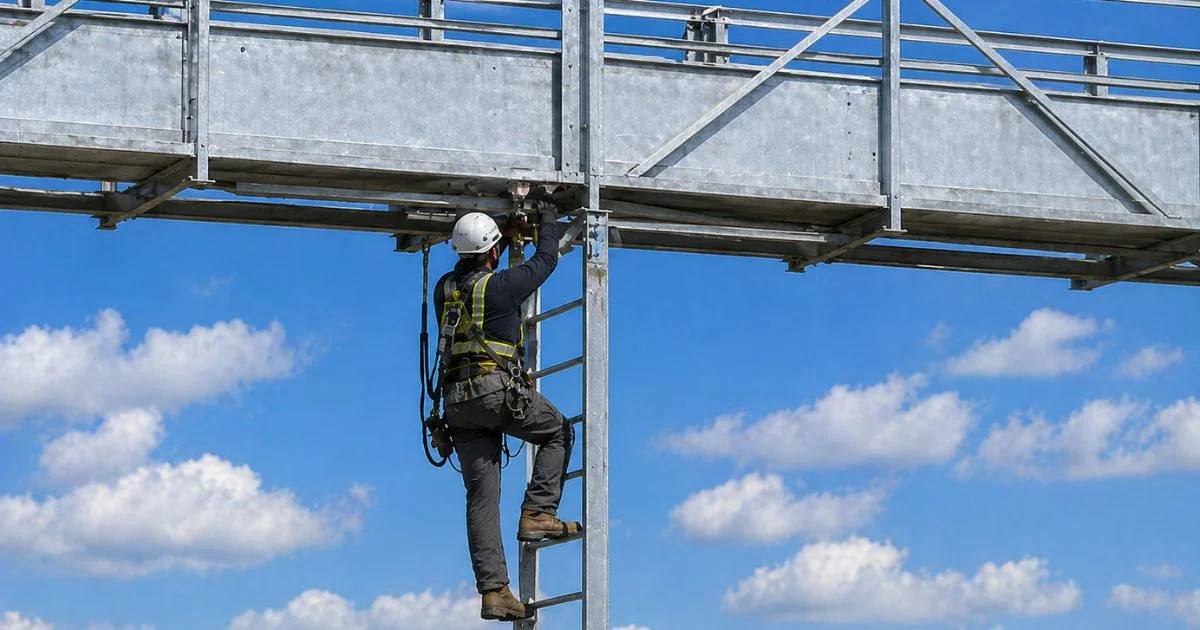
The physical demands are real: outdoor work across Ontario's seasons, long days during peak installation periods, climbing structures and working in conditions that aren't always comfortable. Harvest season means the schedule bends toward the operation's needs, not the other way around.
There's also a precision side that surprises some people coming from general construction. Millwrighting on a grain system isn't rough carpentry. Equipment alignment is measured in fractions of an inch.
A bucket elevator that's off level by a few millimetres runs rough and wears faster. Getting that right the first time, on a site where the schedule is tight and the farmer is watching, takes a kind of focus that's different from physical endurance. Both matter. Neither replaces the other.
What tends to separate people who build long careers here from those who don't isn't technical aptitude at the start. It's accountability, the ability to work well with a crew, and a genuine interest in getting things right. Nerve, grit, and focus show up in the hiring language because they're accurate descriptors of what the work demands.
The compensation reflects that. Journeyperson millwrights and industrial electricians in Ontario's agricultural construction sector earn competitive wages, with room to move as specialization and leadership responsibilities grow.
Company pension, benefits, and a Monday-to-Friday base schedule are part of the package at Horst. Details worth factoring in when comparing options.
For the right person, grain system careers in Ontario offer clear progression, transferable credentials, meaningful work, and the satisfaction of pointing at a system running through a November harvest and knowing exactly how it went together.
The work is demanding. The precision is non-negotiable. If you're ready to build a specialization that lasts, the Horst Systems team is hiring across roles in Elmira and Winchester. Join our Team. Grow your Career. Protect the Harvest.