
 Horst
Systems
Horst
Systems
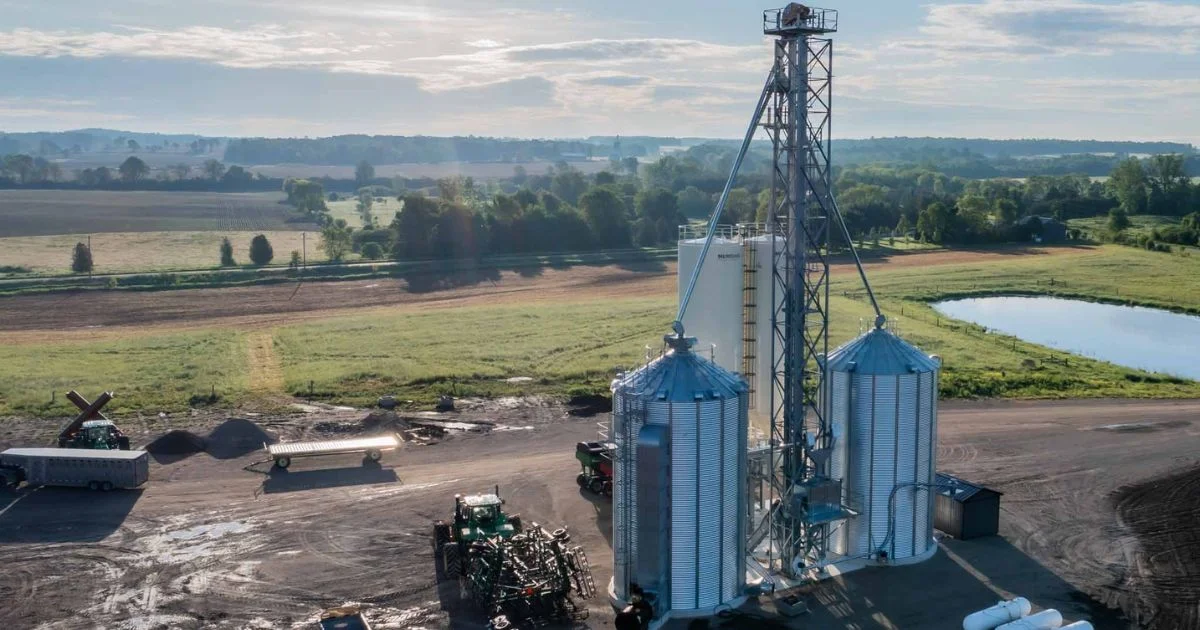
For generations, many have viewed agriculture as a hands-on, labour-intensive industry driven by a tradition passed down through families. While those traditions remain important, modern-day agriculture has undergone a profound transformation in recent years. Today’s farms are now complex, data-driven operations powered by advanced engineering, automation, and innovative grain bin systems. Due to this evolution, agricultural operations are changing the way farms operate, including the talent they attract.
Across Canada, tech-savvy, skilled tradespeople are being drawn to the promise of agricultural work; electricians, millwrights, welders, fabricators, automation technicians, and engineers are all chomping at the bit to enter this ever-expanding industry, seeking new opportunities, challenges, innovation, and career growth. Once, this potential was wrongfully limited to the manufacturing, energy, or industrial construction sector. Today, there are more opportunities than ever.
Why Tech-Savvy Skilled Trades Are Flocking to Agriculture
At Horst Systems, our experts have seen the shift happen in real time. As a company that specializes in grain bin systems, foundations, installation, etc., we regularly rely on highly-skilled tradespeople to bring their advanced knowledge to bring infrastructure to life. From custom steel fabrication to the design and construction of automated grain drying systems, today’s agricultural projects require a high level of technical expertise. This begs the question: why are these tech-savvy individuals flocking to the agricultural industry? And what does it mean for the future?
Agriculture Is No Longer Low-Tech: It’s an Engineered System
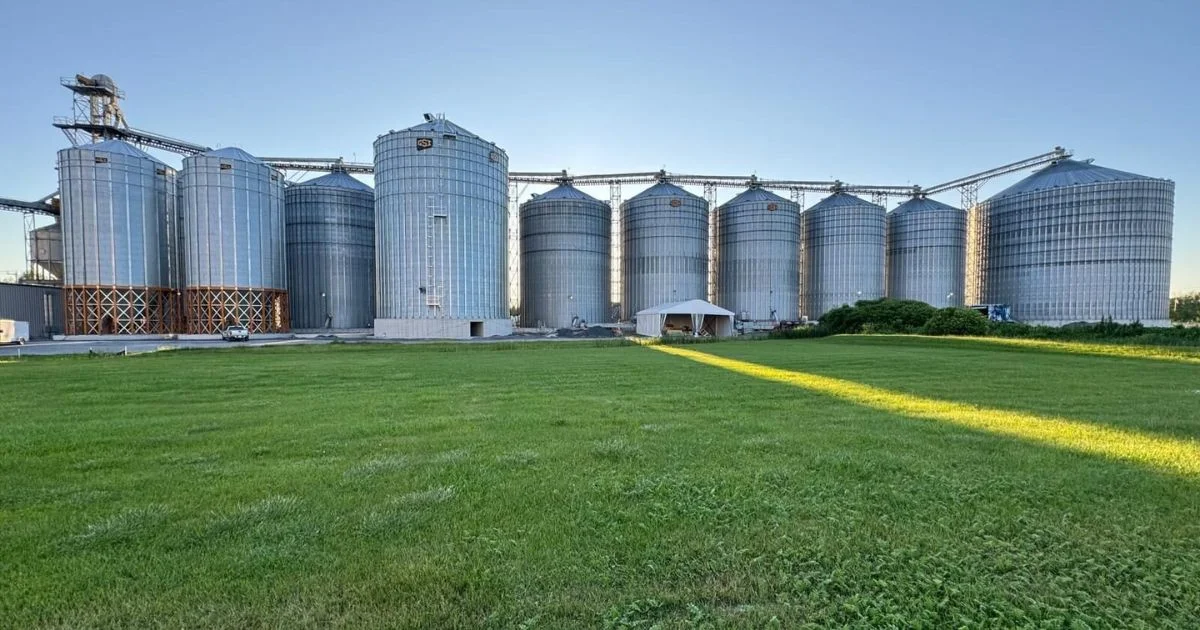
When you ask an outsider to imagine what it looks like to farm, they may picture an old man in a straw hat manning a tractor. However, systems have become even more advanced since then, to the point that many systems are automated and skillfully engineered. Manual labour is often still utilized, but is no longer required for every operation, though the choice is on the business. Modern agriculture increasingly relies on industrial-grade equipment, automation, and engineered infrastructure to remain competitive.
Grain systems, in particular, have become highly sophisticated. What was once a simple bin and auger setup has evolved into a fully integrated material handling system with:
- High-capacity storage bins.
- Continuous-flow and batch grain dryers.
- Conveyors, elevators, and reclaim systems.
- Automated controls and monitoring.
- Integrated electrical and safety systems.
With Horst Systems, we design and build grain systems within existing structures or from the ground up, which requires careful engineering and technical intervention.
Each build is designed with the unique circumstances of the business in mind, and that level of customization requires the help of very talented tech professionals across multiple trades. This is one of the reasons agriculture is attracting some of the industry’s top talent.
Skilled Trades are the Backbone of Modern Grain Infrastructure
Behind every efficient and advanced system is a team of tech-savvy, skilled tradespeople. Modern farms rely on a network of professionals who not only design, fabricate, and install these systems, but also rely on them to maintain operations.
Key trades involved in grain system projects include:
- Millwrights to install mechanical handling systems and dryers.
- Electricians to wire and program control systems.
- Welders and fabricators to build custom steel structures and components.
- Drafting and engineering technicians to design system layouts and structures.
- Construction crews to erect bins, towers, and support structures.
- Automation specialists to configure PLCs, sensors, and monitoring systems.
Automation and Smart Farming Are Creating New Technical Roles
Automation is one of the key drivers behind the shift in skilled tradespeople into agriculture. Farms are ever-evolving in adopting new technologies to reduce the need for physical labour, improve efficiency, and provide real-time insights into operations.
In grain handling, automation can include:
- Automated grain dryers with precise moisture control.
- Remote monitoring of bin temperature and moisture levels.
- Integrated control panels for conveyors and elevators.
- Sensors and alarms for safety and system performance.
- PLC automation.
These systems require highly skilled professionals who can design, install, program, and maintain complex grain systems. Electricians and automation technicians with significant experience in industrial controls are required. Agricultural systems use many of the same technologies as other industrial systems, including PLC programming, variable-frequency drives, sensors, and industrial networking.
As farms continue to adopt smart technologies, the demand for tech-savvy trades will only increase.
Tradespeople Are Seeking Meaningful, Purpose-Driven Work
Beyond technology, many trades professionals today are seeking meaningful, lucrative careers. Agriculture offers a direct connection to food production, sustainability, and supporting the health of the community. This is something truly meaningful for people who want to make a difference in the world, all while earning an excellent wage for their hard work.
Every grain system that gets installed, every dryer that’s commissioned, and every bin that’s erected plays a serious role in protecting a farmer’s harvest while supporting the health and wealth of the community at large. Unlike many industrial sectors, the impact of agricultural infrastructure is tangible and immediate.
Having purpose as a motivator is essential to attracting the brightest minds in the industry, and there’s no more noble job than providing food to people.
Agricultural Projects Offer Technical Variety and Customization
One of the biggest perks of working in agriculture for skilled tradespeople is the variety of jobs. Unlike other repetitive factory or assembly-line work, agricultural projects are completely customized:
Every farm has unique aspects:
- Land layouts.
- Storage requirements.
- Crop types and volumes.
- Operational workflows.
- Budget constraints.
- Expansion plans.
This means that every single grain system has to be designed and built specifically for that farm’s operation. With Horst Systems, there are no two projects that are exactly the same; every job is a unique opportunity to apply a skill set and create something that persists for decades.
For tech-savvy tradespeople, this variety keeps work interesting and challenging. It also encourages continuous learning, problem-solving, and innovation.
The Rise of Industrial-Scale Agriculture
Today’s farms are getting bigger and more sophisticated with every season. Most operations now handle millions of bushels of grain annually, requiring advanced, reliable infrastructure to keep operations running. This means they need commercial terminals or complex processing facilities.
This shift toward industrial-scale agriculture is driving demand for:
- Large capacity storage systems.
- High-throughput material handling equipment.
- Robust structural engineering.
- Industrial electrical and control systems.
- Advanced safety and compliance measures.
Tech-savvy tradespeople who may have previously worked in manufacturing, oil and gas, or even construction are finding that agriculture offers similar technical complexity, without volatility. Horst Systems applies industrial engineering standards to agricultural infrastructure, ensuring that each project is built with the highest durability, safety, and performance features. For skilled trades, this environment offers a familiar technical framework alongside unique challenges found only in agriculture.
Job Stability in a Growing, Essential Industry
The world of agriculture isn’t going away anytime soon; people and communities will always need food, which means farms will always need infrastructure. As the global population continues to grow and climate variability shifts, farms need to become more efficient in crop production.
This creates long-term demand for:
- New grain storage capacity.
- System upgrades and retrofits.
- Automation and monitoring solutions.
- Maintenance and repair services.
While other industries can be offshored or completely automated, agricultural infrastructure requires professionals to manage these complex systems. Skilled trades are essential to ensuring the systems are installed, maintained, and running smoothly, especially in rural communities – this makes these roles resilient against economic downturns.
For tech-savvy tradespeople seeking long-term job security, agriculture represents a stable and growing sector.
Competitive Compensation and Career Advancement
As agriculture continues to move toward greater technological advancement, the value of highly skilled tradespeople will increase. Electricians, engineers, millwrights, fabricators, and automation experts working in the industry will be able to demand competitive wages from steady project suppliers. The complex work they do will be rewarded, further adding an extra perk to the job.
The diversity of roles within agricultural engineering companies creates clear career pathways for tradespeople who want to grow professionally. And it pays.
A New Generation of Technically Skilled Agricultural Professionals
There’s been a huge demographic shift in skilled trades, largely driven by education and comprehensive training. Many technical programs now include agricultural applications, and younger, bright-eyed tradespeople are more eager to work with digital systems, including automatic and data-driven tools. This new generation of professionals sees agriculture as a wealth of opportunity, as a high-tech sector with endless opportunities to innovate and advance their careers. As a sector with advanced projects, modern tools, and collaboration, agriculture is set to see a wave of young professionals joining the force in the near future.
The Future of Farming Will Be Built by Skilled Trades
As agriculture continues to evolve, skilled trades will play an increasingly central role. The farms of the future will rely on:
- Integrated grain handling systems.
- Smart automation and monitoring.
- Industrial-scale storage and drying infrastructure.
- Advanced electrical and control systems.
- Custom-engineered solutions tailored to each operation.
The simple truth is this: these systems can’t exist without the experience of tech-savvy, skilled tradespeople. Without their forward-thinking insight, the industry wouldn’t be able to evolve the way it has. At Horst Systems, we see a bright future for agriculture, recognising that the entire industry is built by people with technical skills and a desire to make a difference in the world. Our integrated approach to grain systems depends on a multidisciplinary team of skilled tradespeople, and demand for that expertise continues to grow. Contact us today.