
 Horst
Systems
Horst
Systems
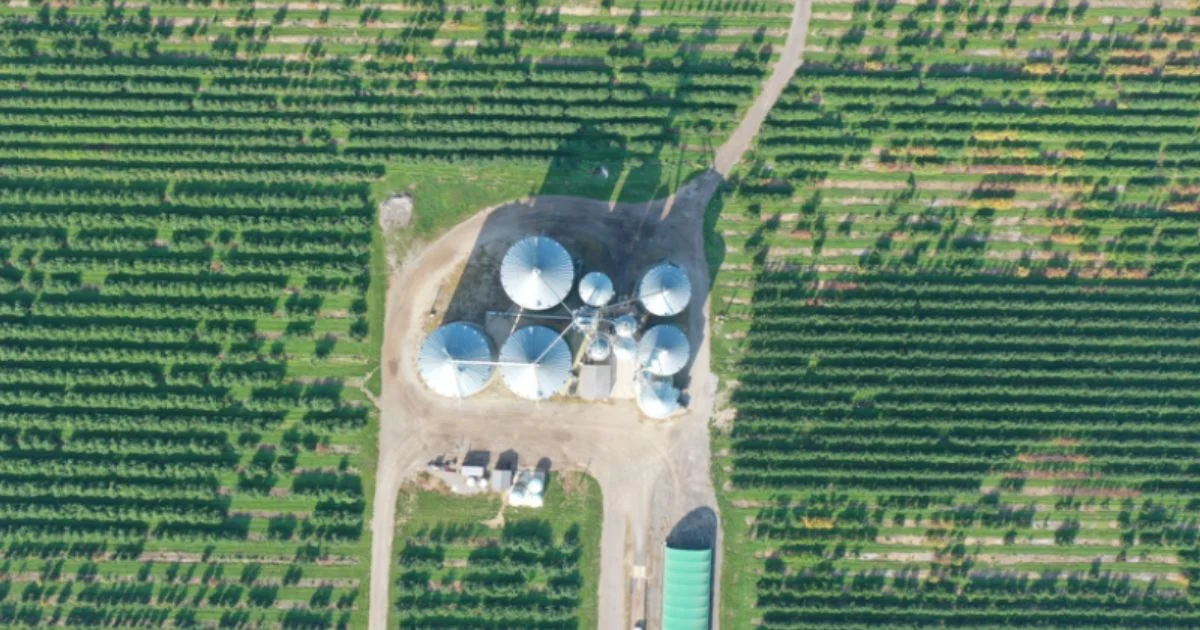
A grain system is a strategic investment, not just a construction project. A well-designed grain system preserves grain quality, increases efficiency, and removes daily headaches like long truck lines and wet bin stalls. A poorly planned system can halt your operations and jeopardize future yields.
At Horst Systems, we’ve seen how a thoughtful design process can turn a grain system into a long-term asset rather than a short-term fix. Before your grain storage supplier breaks ground, ask the following questions to ensure the system serves as a long-term asset. These questions help you identify current needs and anticipate requirements for the next 20 years.
What Throughput and Capacity Do I Actually Need?
Before the pen touches the design paper, you need to know how much your grain system will need to handle. This means asking yourself how many bushels per hour you need to move during the peak of your harvest. How many days or hours of storage capacity are required to support that peak?
Underestimating throughput creates bottlenecks that slow down your entire operation. If you're harvesting faster than your receiving pit can handle, your trucks end up idling in line rather than unloading. Wasted time is wasted money. On the other hand, overcompensating without a plan unnecessarily drives up your costs.
The best way to maximize the benefits of your grain storage system is to design it with your busiest harvest conditions in mind, while still allowing for future growth. Horst Systems uses data and site-flow analysis to move from guesswork to engineered precision. This allows you to "grow into" the system and maintain a well-balanced capacity that meets today's needs. After all, your harvest 5 years from now may look quite different from your current yields.
What Crops Will I be Storing and Drying?
Grains such as corn, soybeans, wheat, and other specialty crops have unique requirements for temperature and moisture control and overall storage design. For instance, corn often needs high-capacity drying, while wheat may need more controlled aeration to prevent spoilage.
Stored grains should be aerated as soon as possible post-harvest. This is important for preventing spoiling and potential pest infestation. While manual aeration is the starting point, Tech-Forward producers are increasingly using automated fan triggers to ensure grain hits its target temperature without constant oversight.
If you intend to diversify your farm operations into specialty or identity-preserved crops, you may need dedicated bins to prevent contamination. Moisture and temperature tolerances can vary, which will directly affect dryer sizing and your aeration strategy.
By clarifying which crops you’ll handle most, you can avoid building a “one-size-fits-none” system that struggles with versatility.
How Much Wet Storage Do I Need?
Dryers are one of the hardest-working parts of any grain system; however, they're only as effective as the wet grain supply that keeps them going. That’s where wet storage comes in. A common mistake we see in grain storage design is under-sizing the wet holding capacity. Without adequate wet bins, the dryer subsequently sits idle while your people scramble to refill it. This means harvest days drag on longer; you burn more fuel and run into uneven drying. However, if you overcompensate for your wet storage, you could be encroaching on long-term storage volume.
Instead of relying on a general rule of thumb, we perform technical analysis to determine the precise wet holding capacity needed to keep your dryer running continuously. By prioritizing knowing over guessing, you ensure your operations run smoothly based on engineered requirements rather than starting and stalling due to capacity gaps.
What Site Layout Will Work Best Today & Tomorrow?
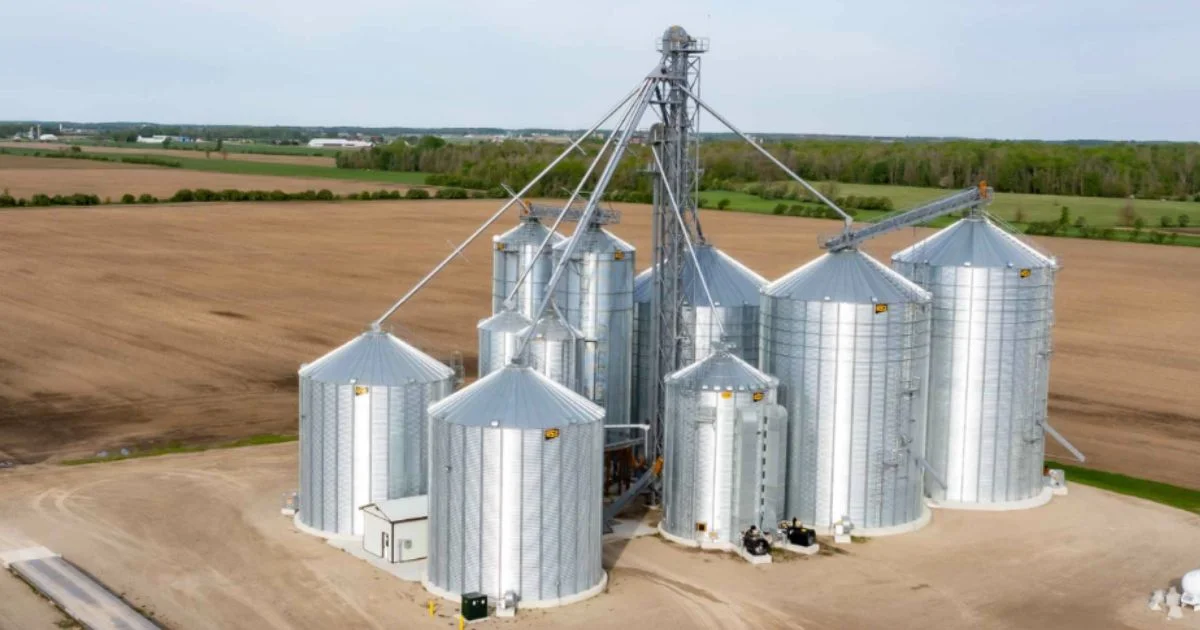
The layout of your site largely determines how efficiently you can move grain through your storage system. You must consider:
Available land and how much space you’ll need for future bins.
Traffic flow for trucks, combines, and grain carts.
Foundation requirements for heavy bins and tall legs.
Planning for expansion (i.e., leaving room for another dryer or elevator) can help you avoid the need to relocate. Instead of just building a system that functions well today, you can build one that will serve you well in the future.
How Will Grain Move Through the System?
Grain handling keeps your business going. You need conveyors, augers, and legs working together to move grain smoothly without causing bottlenecks or damaging the product. When it comes to receiving, consider how quickly you want trucks to unload. For some operations, a larger pit with a higher-capacity leg can significantly reduce wait times. You also need to consider how grain will be transferred between bins, dryers, and the loadout using traditional augers or belt conveyors.
Weigh the pros and cons regarding maintenance, energy efficiency, and grain quality. Your goal is to have a system that maintains a steady flow of grain without unnecessary transfers or chokepoints. Efficiency directly impacts your profit margins.
How Much Automation Do I Want?
Modern grain systems are highly automated, limiting the need for regular oversight. You can use touchscreen PLC controls or remote monitoring apps to make managing a complex system easier and safer. While manual controls are an option, automated sensors act as an insurance policy, protecting your ROI by catching human error before it leads to spoilage.
Automated systems can track temperature, moisture, and grain conditions in real-time. These integrated systems can also include automated shutdowns and alarms to prevent costly problems in the future. The key is deciding how much hands-on management you want relative to the risk-management benefits provided by modern technology.
What’s My Budget and How Do I Plan for the Long Term?
How much do you want to invest, and how long do you expect to take to see a return on your investment (ROI)? Grain systems are investments that can save on labour costs, reduce grain losses, and improve system efficiency. A carefully planned system can pay itself more than once if you specify it to your needs.
Managing a farm is expensive, and the last thing you need is labour costs spiraling out of control. Your farm runs on your team's hard work but overworking them is a shortcut to mistakes. Budgeting involves factoring in operational costs, maintenance, and potential expansions. Investing in the right design upfront is intended to save you significant money over the system's lifespan. This allows your system to pay itself through increased operational value.
Horst Systems Has Your Storage Needs Covered
The difference between a row of bins and a high-performance grain system is the engineering behind the flow. Every design should have a plan for future grow that prioritizes your time and grain quality.
Don't just build a bin yard. Partner with Horst Systems to engineer a professional asset that eliminates bottlenecks and secures your farm’s future. Reach out to our team today To begin designing a system that serves your operation for generations.