
 Horst
Systems
Horst
Systems
When talking about Ontario weather, you can't forget the highs and lows in temperatures. This creates a challenging environment for grain storage. Managing a farm is expensive, and the last thing you need is a spoilage event that erodes the profit you have already earned. Professional grain management in Ontario requires a proactive winter strategy to protect your investment from environmental risks.
Maintaining grain quality through a Canadian winter is about moving beyond manual guesswork and into precision management. Horst Systems provides you with the precision tools you need to keep your investment in top condition during the coldest months of the year.
Protecting Quality Through Smart Temperature Control
Over the past century, Ontario winters have ranged from approximately 1.6°C to 7°C, with a median of ~3.8°C. This unpredictability can compromise the stability of your stored crop. While a standard operation might react to the weather as it happens, professional grain management anticipates it. Professional standards suggest that grain can be safely stored at or below 0°C to reduce spoilage risks, even when moisture levels are slightly elevated.
According to the Ontario Ministry of Agriculture’s “On-Farm Stored Grain Management” guide, spoilage is a direct result of uncontrolled convective air movement inside the bin. Because grain is a living commodity, managing this internal atmosphere is the primary way you protect your bottom line.
Grain spoilage is often caused by poor airflow within storage bins.
Convective air currents can create pockets of moisture, leading to mold growth.
Lack of controlled ventilation can accelerate insect activity and grain deterioration.
Proper bin aeration can maintain grain quality over time.
Monitoring airflow and temperature help prevent hot spots and condensation.
Grain should be managed to ensure consistent drying and storage conditions.
Uneven temperature distribution in the bin encourages spoilage in certain areas.
How Temperature & Moisture Impact Grain Storage
Grain acts as its own insulator and retains its temperature for a long time if left undisturbed. When you place warm grain in storage without proper agitation, convection currents form, leading to hot spots and condensation. The greater the temperature difference between the grain and the outdoors, the more aggressive these currents become. This is particularly dangerous if the grain is not level and forms a peak, which traps rising heat.
The Problem
The surface of the grain forms a peak.
The surface and just-below-surface layers develop high moisture content.
The warmest grain is located at the centre of the grain bulk.
Cold air flows from the surface and along the interior wall.
Cold air pools at the bottom of the grain bulk, drawing moisture toward the centre through the upward movement of warm air.
This warm air cools as it reaches the surface, condenses, and creates a repetitive cycle that compromises the grain.
The Solution: Tech-Forward Grain Storage Systems
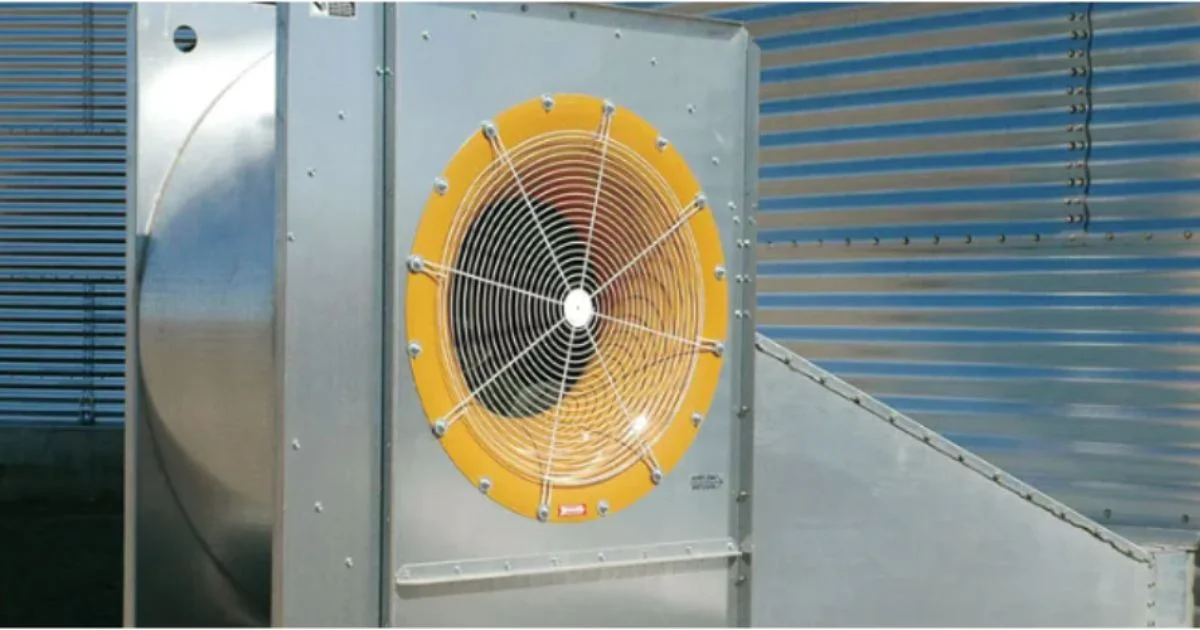
A Horst Systems setup using high-efficiency fans and site-specific aeration floors can mitigate these risks. This technology helps ensure:
Consistent temperature throughout the bin.
Prevention of hot spots that encourage mold and spoilage.
Reduced moisture buildup by controlling condensation.
Limited insect activity and grain deterioration.
Even airflow that avoids pockets of stagnant air.
Investing in a modern system acts as an insurance policy for your profit. It moves you from a reactive position to a proactive one where the system does heavy lifting for you.
Precision Grain Bin Monitoring and Management
Relying on manual checks is no longer the standard for a competitive farm. Climbing bins in freezing temperatures to take manual readings is inefficient and dangerous. Your farm runs on your team's hard work but overworking them is a shortcut to mistakes.
Modern precision monitoring relies on highly regulated, accurate cable systems. These sensors are placed throughout the grain mass, providing a 3D map of your asset's health. These systems detect temperature spikes from spoilage or pest activity early enough to enable quick action, often weeks before a human would notice a problem.
During the winter, the centre of the bin is the most vulnerable. Small broken pieces, known as fines, often collect during the filling process. These fines pack tightly, blocking airflow and creating a "dead zone." Professional management requires you to "core" your bins immediately after harvesting or as soon as the grain has cooled. This involves drawing out the centre core to remove the fines and the peak, creating a funnel shape that maximizes airflow. Automated grain storage systems minimize the risks associated with fines before they become liability.
Professional Grain Cooling Strategies
Most grain spoilage during the winter occurs because the grain remains too warm for too long. Active cooling is your primary defence. The best days to cool your grain are when outdoor conditions are approximately 6-8°C cooler than the base temperature of the grain, with a target of 1.7-4.4 °C to prevent mold and pest activity.
The time required to reach your target temperature depends on your system’s fan capacity. If you know your fan’s airflow, and how much grain is in the bin, you can estimate the hours needed to reach the desired target.
Upgrading to high-efficiency fans ensures you can hit these targets during narrow weather windows.
Grain Storage Management Tips
Maintaining grain quality requires attention to the technical details of your storage environment. These are the standards that define a modern operation.
Utilize Proper Aeration
Run high-efficiency fans during dry, calm days. Automating these cycles ensures your grain stays protected even when you aren't on-site. Automation removes the risk of human error during critical weather shifts.
Seal Bins Properly
Regularly inspect doors, vents, and seals. Small gaps allow snow or freezing rain to enter or allow expensive treated air to escape. Proper seals improve fan efficiency and prevent localized condensation that invites mold.
Inspect for Pests
Winter does not eliminate pests; it often drives them into the warmth of your grain mass. Regular inspections and quick action, such as using integrated pest management or improved bin seals, are necessary to prevent contamination that leads to dockage at the elevator.
Keep Digital Records
Tracking moisture, temperature, and aeration cycles allows you to identify trends over several seasons. Digital monitoring systems provide a historical record of your grain's health, reducing reliance on memory.
Manage Headspace
Avoid overfilling your bins. Leaving a reasonable headspace (the gap between the grain and the roof) allows air to circulate and exhaust properly. An overfilled bin restricts airflow, creating a pressure-cooker environment that promotes hot spots.
Plan for Extremes
Canadian weather is unpredictable and unforgiving. Make sure your grain storage fans are rated to handle ice or snow buildup without losing efficiency during frigid cold spells. Your equipment should be as resilient as the people who run the farm.
Maintain Clean Bins
Sanitizing your storage assets before refilling is a professional standard. Removing leftover grain, dust, and debris prevents old infestations or mold spores from contaminating new inventory.
Don’t Take Chances: Trust in Horst Systems
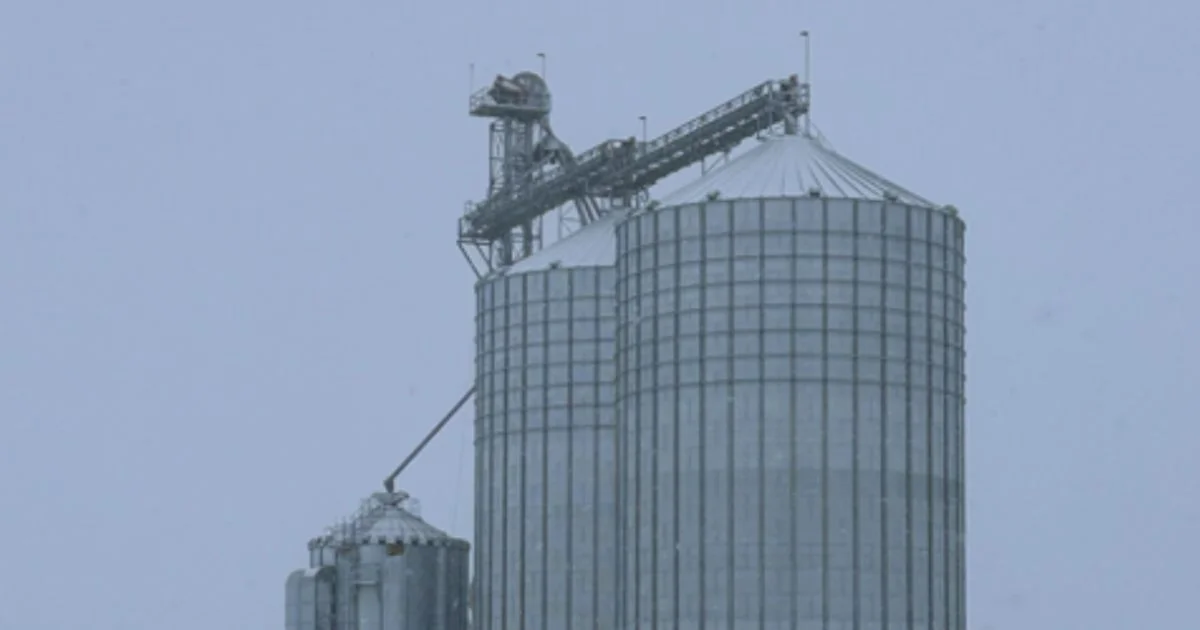
Horst Systems has provided grain storage solutions across Ontario for decades, supporting family farms as they transition into modern, tech-forward operations. We provide specialized options for your specific operation, from design and engineering to millwrighting and electrical work.
A Horst system provides the infrastructure needed to protect your profit, acting as an insurance policy against spoilage. Reach out to us before the winter chill sets in to ensure your assets are protected and your farm is ready for the season's challenges.