 Horst
Systems
Horst
Systems
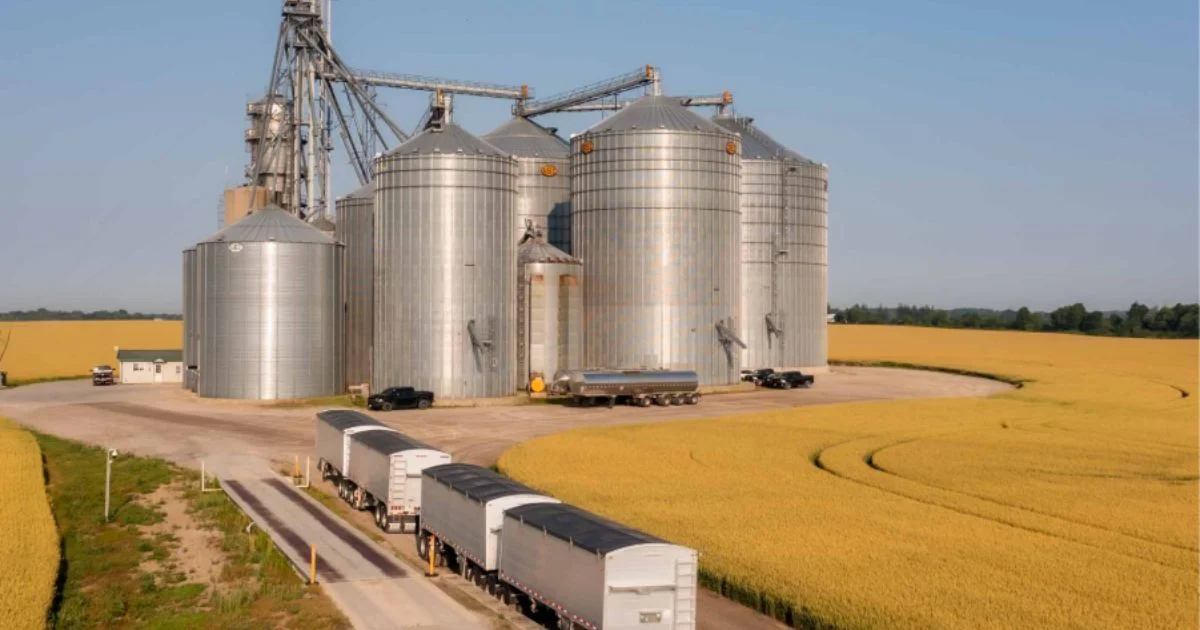
Most bin decisions stick for 20 years. Pick the wrong unload system and you're dealing with the consequences every single harvest until you finally budget for a replacement. The choice between carry-in sweeps, power sweeps, chain conveyors, and paddle sweeps comes down to three operational realities.
How often someone must climb inside the bin, whether the system keeps up with your trucks, and how much attention it needs during a 14-hour unloading day all matter. Each system handles grain differently and has different maintenance costs over two decades of use.
Carry-In Sweeps Mean Bin Entry Every Time
Grain bin unloading systems that use carry-in sweeps work, but someone has to climb into the bin to position the equipment every time it needs emptying. To do that safely, that's confined space entry protocols: permits, atmospheric testing, and a safety watch standing outside.
Grain entrapment doesn't give warnings. Flowing grain creates suction zones around the auger intake that can pull someone under in seconds. Operations running carry-in systems require frequent bin entries throughout the season. Those hours add up fast across harvest.
Power Sweeps Drop Entry Frequency Hard
Power sweeps run from outside the bin. Start the system, the sweep rotates and pushes grain toward the sump, and the bin empties without anyone stepping inside.
Entries still happen for maintenance, inspections, or clearing the occasional jam—several times per year instead of dozens. One person runs the unload from ground level.
During harvest, that single-person operation saves hours per bin compared to two-person confined space protocols.
Chain Conveyors and Paddle Sweeps Eliminate Routine Entry
Chain conveyor grain handling systems run under the bin floor, pulling grain toward the discharge without any positioning or manual work. Start the system, and it empties the bin.
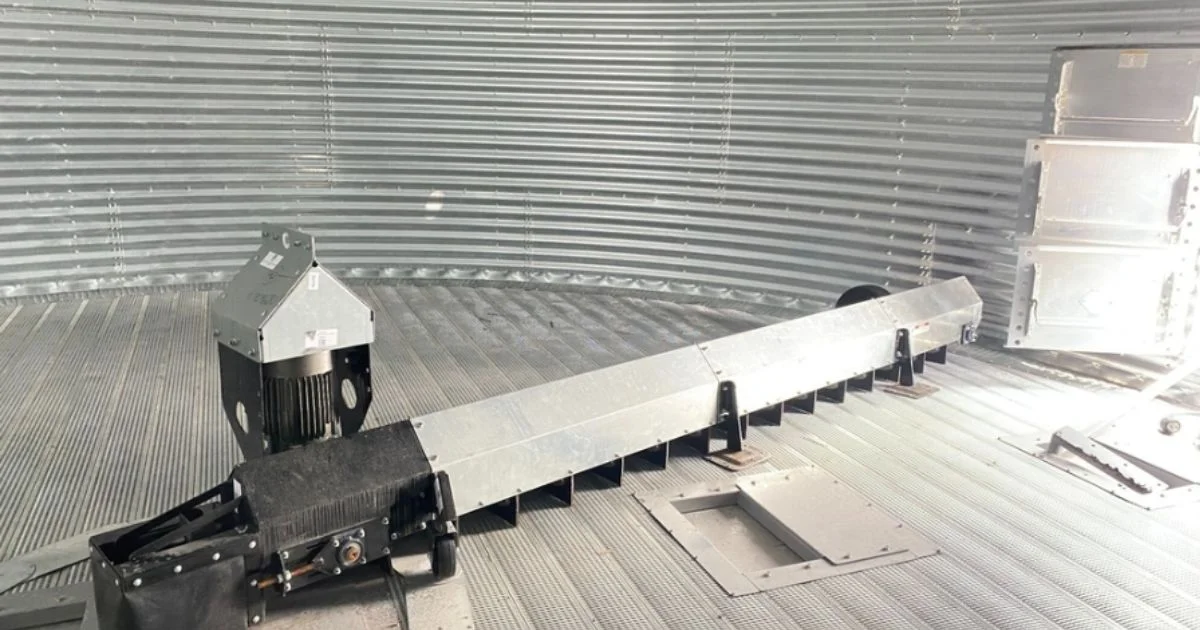
Grain bin paddle sweep units use rotating paddles that push grain to the centre unload point. Same mechanical principle but with different configurations that suit specific bin setups.
Both systems empty bins with zero entry under normal conditions. You might climb in once or twice a year for maintenance, but that's it. Bins that required dozens of entries per year with carry-in sweeps now need just a few. Insurance companies notice that kind of risk reduction.
These systems command premium prices. When you're installing new bins or upgrading existing storage, you're balancing the investment against labour savings, safety improvements, and flexibility.
Unload Capacity Needs to Match Actual Flow Rates
A bin unload that can't keep up with your truck schedule creates bottlenecks across your entire operation. Trucks wait, crews stand around, and grain sits when it should be moving to market.
Carry-in sweep systems typically run at lower capacities. They handle operations that empty bins gradually, maybe filling one truck per day or spreading unloading across a week. Pair a low-capacity unload with a bin that needs emptying in one afternoon and the day turns into a logistics nightmare.
Grain bin sweep auger options with power sweeps and higher-capacity augers move grain faster. The continuous sweep action keeps the auger fed, maintaining flow rates that can empty bins in hours instead of taking all day.
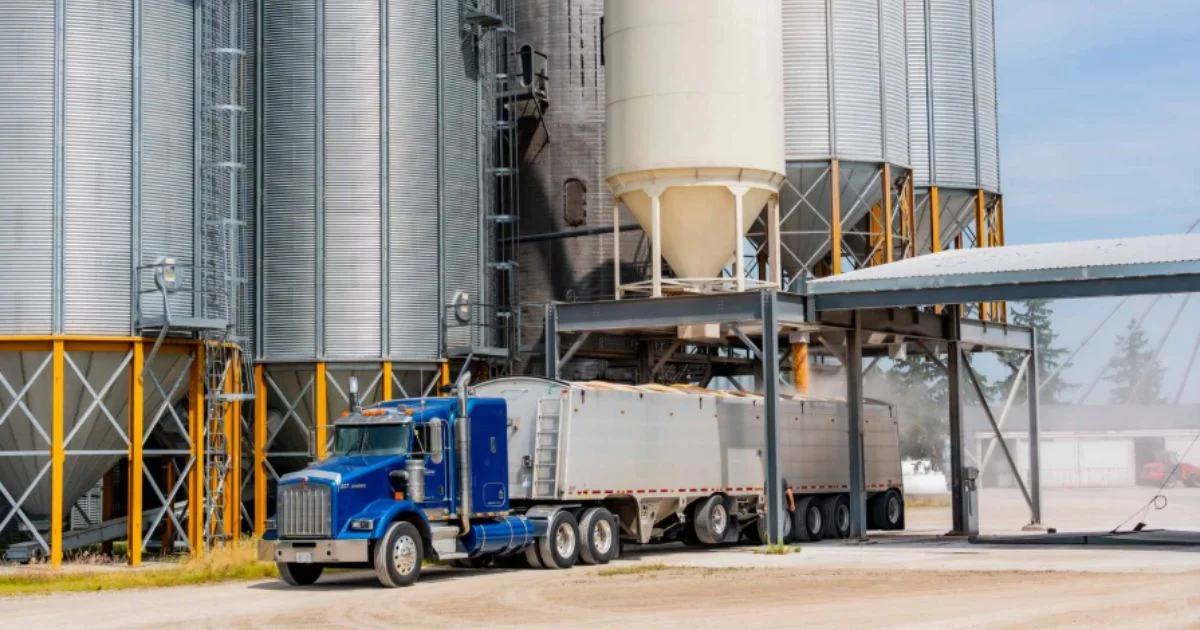
Chain conveyors and paddle sweeps handle the highest volumes. The continuous operation empties bins significantly faster than manual systems—fast enough to keep multiple trucks moving during peak harvest without causing bottlenecks. Running multiple bins during harvest demands that kind of capacity or trucks back up.
We work with operations to evaluate bin sizes, typical unloading schedules, and truck flow before recommending specific equipment. A smaller overflow bin doesn't need the same unloading capacity as a large bin that empties often.
Operating Complexity Ranges from Manual to Fully Automated
Carry-in sweeps need hands-on work every time. Someone enters the bin, positions the sweep, monitors the cleanout, and adjusts as the grain level drops. It's simple mechanically but labour-intensive operationally.
Power sweeps add mechanical complexity with the external drive system and rotating mechanism. Regular maintenance keeps them running, but the work is done outside the bin, where it's safer and faster.
Chain conveyors and paddle sweeps can run with minimal operator input, especially when paired with automated PLC-controlled systems. Set the parameters, start the system, and it handles everything. These systems can even integrate with bin monitoring to start and stop based on grain levels.
Operations dealing with labour shortages or looking to reduce physical demands often find automated unloads worth the investment. Experienced crews comfortable with manual control can adjust on the fly when conditions change.
Maintenance Requirements Affect Long-Term Costs
Carry-in sweeps have fewer moving parts, which sounds good until wear items need replacing. Accessing components often means bin entry, which circles back to the confined space issues these systems already create.
Power sweeps add mechanical complexity with the external drive system and rotating mechanism. Regular maintenance keeps them running, but when there is an issue in the center well with the double gearbox, it still requires a bin entry.
Chain conveyors need attention to the chain itself, wear strips along the floor, and drive components. Grain dust and debris work into the system over time, but maintenance typically doesn't require bin entry.
Paddle sweeps use rotating components that bear considerable loads during operation. Bearings, seals, and the paddles themselves wear and need replacement on schedules that depend on how hard the system runs. Most maintenance is done inside the bin and during the off season.
A bearing failure during harvest means either climbing in to fix it or parking that bin until things slow down. Neither option feels great when trucks are waiting.
Our millwright team sees the full range of these systems across Ontario operations. Preventive maintenance schedules differ by type, but the pattern holds: manual systems require more frequent attention to mechanical components, while automated systems trade mechanical complexity for higher labour demands during use.
Bin Configuration Affects Which Systems Fit
Not every unload works in every bin. Flat-bottom grain storage bins require sweeps (carry-in, power, or paddle) with an auger or chain conveyor under the floor to move grain toward the discharge point.
Bin diameter matters. Smaller bins can handle basic sweep augers. Larger bins need power sweeps or paddle systems to reach grain at the bin walls without excessive manual work.
Existing bins limit retrofit options. Adding a chain conveyor to a bin that wasn't designed for floor-mounted equipment creates structural concerns. Power sweeps often retrofit more easily, especially in bins that already have centre sumps.
New bin installations offer more flexibility. You can design the entire system around the unload type that best matches your needs, rather than working within the constraints of existing infrastructure.
We work with operations during the design phase of complete grain systems to match unloading requirements to actual needs. That conversation includes bin sizes, crop types, expected throughput, and whether you plan to expand capacity over the next 5-10 years.
Budget and ROI Determine What Makes Sense
Carry-in sweep systems cost the least upfront. If you're on a tight budget or bins don't see heavy use, that initial savings matters.
Power sweeps sit in the middle range. The cost increase over carry-in systems gets justified fast when you calculate labour savings and reduced safety risk over a 15–20-year equipment life.
Chain conveyors and paddle sweeps represent the premium tier. The investment makes sense for commercial operations, high-volume farms, or any situation where labour costs, safety requirements, and functionality tip the scale toward automation.
ROI calculations need to include more than just purchase price. Factor in labour hours saved, reduced confined space entry costs (training, permits, safety equipment), and the value of faster unloading during market windows when prices favour sellers.
Some operations see payback in a few years. Others take longer. It depends on bin use frequency, labour costs, and how much value you place on safety improvements and flexibility.
Picking the Right System for Your Operation
If you're emptying your bin once per season, carry-in sweeps might work for your operation, especially if labour's available and your crews are trained on confined space entry.
Running steady unloading schedules during harvest, where your bins empty weekly or multiple times per month? Power sweeps make sense. The labour savings and safety improvements pay off when your system sees regular use.
Managing multiple bins with high throughput—such as commercial operations, co-ops, or farms running continuous harvest schedules—means you'll want chain conveyors or paddle sweeps. The capacity, automation, and minimal entry requirements match that scale of operation.
We've installed nearly 1,000 grain systems across Ontario. Your bin size, crop types, existing equipment, and long-term goals all affect which unload makes sense. A system that works for one operation creates problems for another.
The unload decision affects your daily operations for decades. Match the right equipment to actual requirements now, or face expensive regrets five years down the road.
Have questions about unload systems for your operation? Reach out to the Horst Systems team for a site assessment and equipment recommendations that match your bin configuration and harvest schedule.